Owner’s representative vs project manager: if you’re about to build, renovate, or repair a property in Florida, you’ll hear both titles, and they sound almost the same. They overlap, but they are not interchangeable.
The short answer: an owner’s representative works only for you, the property owner. A project manager usually works for the contractor. Both help keep a job moving, but they answer to different people, and that decides whose interests get protected when the schedule slips or a change order lands on your desk.
This guide explains the difference in plain terms, helps you work out which one your project needs, and covers when you might want both.
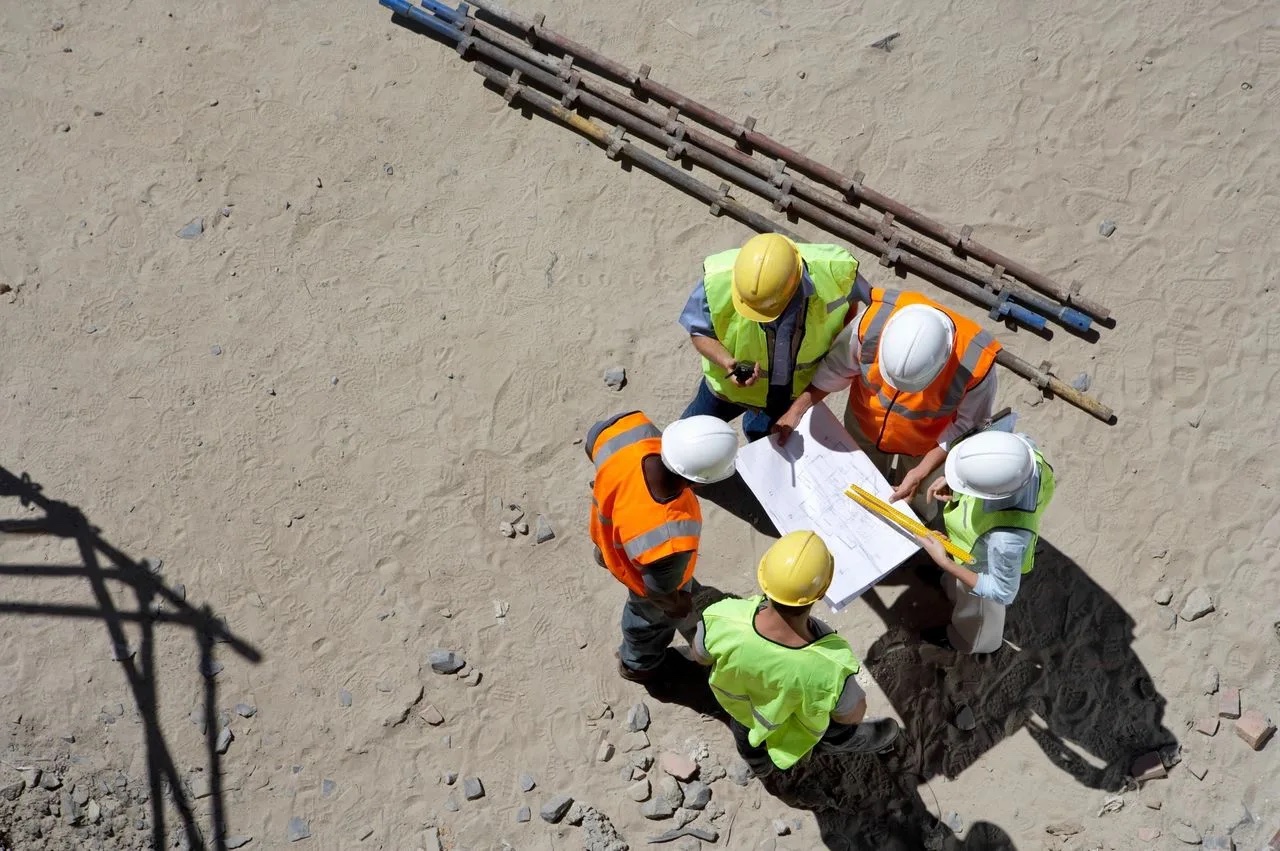
Owner’s representative vs project manager at a glance
| Owner’s representative | Project manager (contractor’s) | |
|---|---|---|
| Works for | You, the owner | The contractor or builder |
| Paid by | You, under your own agreement | Their employer. Their cost is typically built into the contractor’s price |
| Main job | Protect your budget, schedule, quality, and decisions | Deliver the build on schedule under the contractor’s contract |
| Stake in the construction cost | None | Their employer is paid to build it |
| Reviews the contractor’s pricing and work | Yes, independently | No. They are on the contractor’s side of the table |
| Best when | You want someone on your side | The contractor is reliable and the job is straightforward |
One catch: “project manager” is a loose title, and some project managers work for the owner instead. We cover that below.
What an owner’s representative does
An owner’s representative is a construction professional you hire to advocate for you from planning through closeout. They don’t build the project and they don’t design it. Their job is to oversee the people who do, on your behalf.
Typical work includes:
- Helping you set a realistic budget and schedule before you commit money
- Vetting contractors, checking their Florida licenses, and comparing bids on more than the bottom-line number
- Reviewing contracts, pay applications, and change orders before you sign or pay
- Visiting the site, documenting progress, and flagging quality or schedule problems early
- Managing closeout: punch lists, final inspections, warranties, and project documents
For contracts, fees, and timing in detail, see our complete owner’s representative guide.
What a project manager does
A construction project manager runs the day-to-day work: scheduling subcontractors, ordering materials, tracking costs against the contract, and keeping the crew informed. On most residential and commercial jobs, that person is employed by the general contractor or builder. Their loyalty is to their employer and to delivering the job under that contract.
That is a necessary job, and a good project manager makes a build run well. It just isn’t the same as advocating for you.
“Project manager” is a title, not a side
The words alone don’t tell you who someone works for. A project manager might be employed by:
- The contractor. This is the most common case. They run the build for the builder.
- You, the owner. An owner-side project manager is hired to manage the project for you and does essentially an owner’s rep’s job.
- A developer or management firm. Common when one developer has several projects running.
So the practical test is not the title. It’s who signs their paycheck.
Three questions that tell you who you’re dealing with
Ask these of anyone who offers to manage your project:
- Who employs you, and who pays you?
- Does your company build, or profit from, any part of this project?
- If you and the contractor disagree on cost, schedule, or quality, whose side are you on?
If the answers are “you do,” “no,” and “yours,” you’re talking to an owner’s rep or an owner-side project manager. If the first answer is the contractor, you’re talking to the contractor’s project manager.
Which one does your project need?
Most owners don’t have to choose between the two, because every contractor already has someone running the build. The real question is whether you also want someone on your side of the table.
You probably want an owner’s rep if:
- You’re building a custom home or doing a major renovation and don’t have the construction experience or time to oversee it
- You live out of state or abroad and can’t be on site
- The project is large, complex, or involves many specialty trades
- A job is already behind schedule, over budget, or in dispute with the contractor
- You sit on an HOA or condo board overseeing repair, restoration, or building recertification work
- You’re a developer with several projects and need independent oversight on one of them
The contractor’s project manager may be all you need if:
- The project is small and straightforward, like a simple remodel or repair
- You’re working with a licensed contractor you know and trust, with a record on similar jobs
- You have the time and knowledge to review pricing and progress yourself
If you want less than full oversight, an owner’s rep can also be engaged for one piece of the job, such as a contract review before you sign or a walkthrough at the end. And if you’re weighing whether to act as your own manager, our piece on hiring a general contractor versus going owner-builder covers that trade-off.

Can you have both?
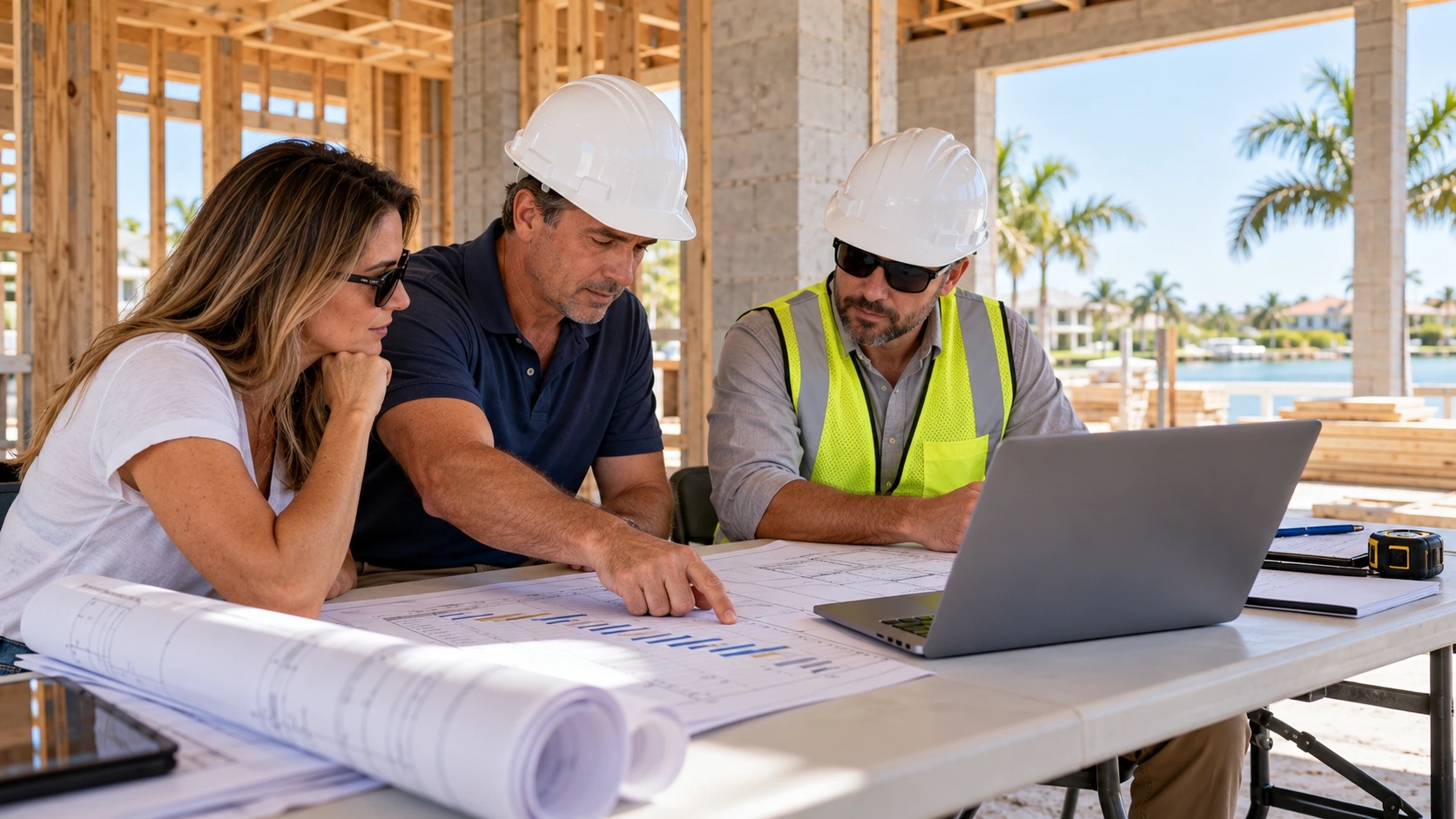
Yes, and many projects do. The two roles are not adversaries. The contractor’s project manager runs the build day to day. The owner’s rep carries your goals and concerns to that project manager, gets regular updates back, and checks that what is reported matches what is actually on site. When it works, you stay informed without having to run the job yourself.
Where Cloud Design Build fits
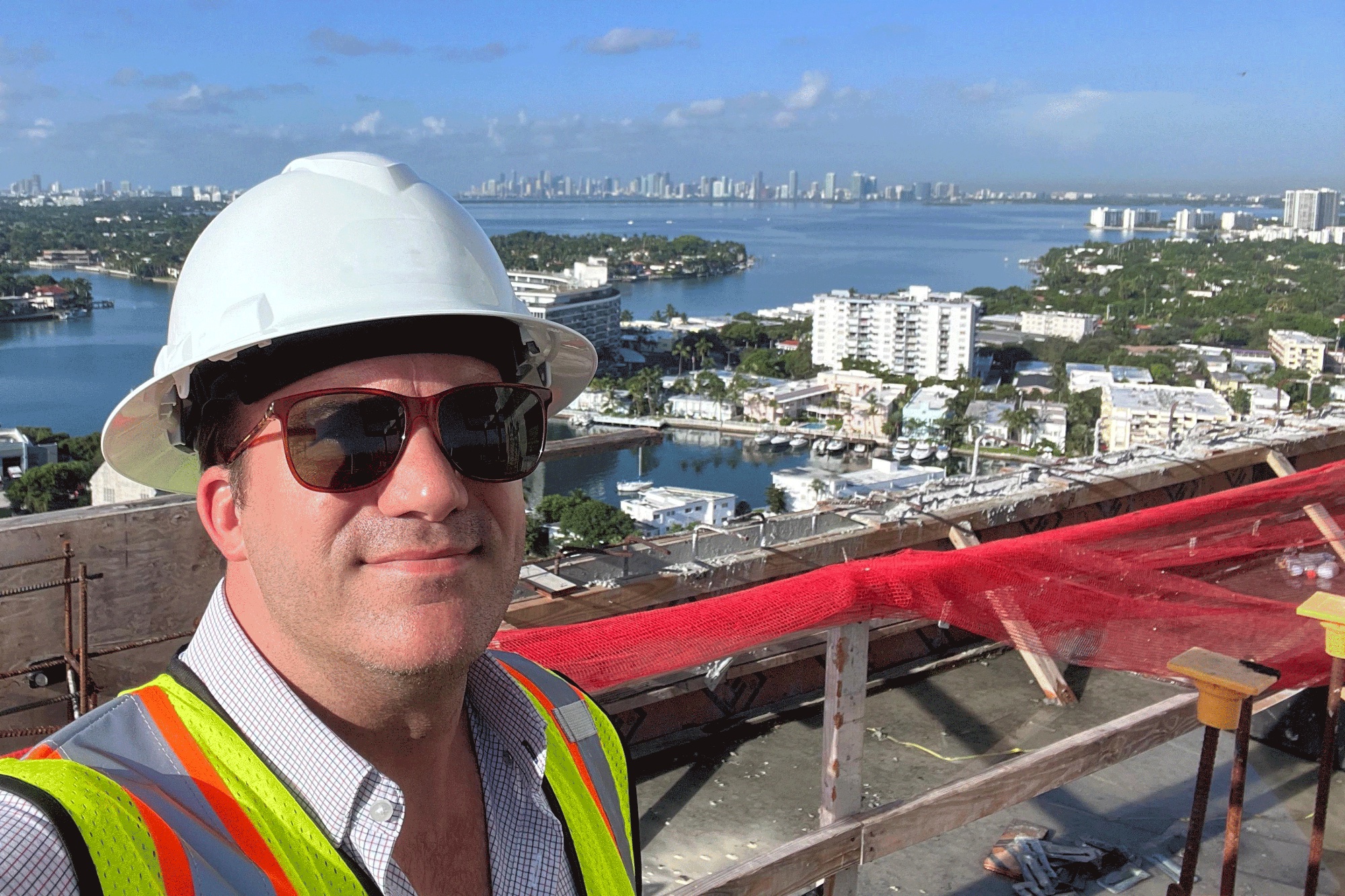
Cloud Design Build is a Florida-licensed general contractor (CGC1520746) led by James J. Cloud. We also provide owner’s representative and construction project management services on the owner’s behalf across South and Southwest Florida.
One rule we hold to: When Cloud Design Build serves as your owner’s rep, we do that job and only that job. We don’t bid on your project, and we don’t build it. That keeps our advice honest: we have nothing to gain from a higher price, a change order, or a shortcut. And because James is a licensed builder and ICC-certified building inspector, he knows how a contractor thinks. He can read a set of plans, test a bid, and spot a problem forming in the field before it becomes your expense.
On cost: owner’s rep fees are usually set as a percentage of construction cost, an hourly rate, or a fixed monthly fee, and they vary by project and scope. Our guide explains how each one works.
Not sure which one you need?
Tell us about your project: where it is, what stage it’s at, and who you’ve already hired. Whether you’re looking for an owner’s rep, a project manager on your side, or you’re not sure which, we’ll tell you plainly what makes sense for your situation, even if that turns out to be neither.
Talk to James · Call 305-537-6105 · info@clouddesignbuild.com
Related reading
- What is an owner’s representative? The complete guide
- Why hire an owner’s representative for building recertification
- General contractor or owner-builder?
- What does a construction consultant do?
Frequently asked questions
Not always. An owner’s rep works only for the owner. “Project manager” is a broader title, and on most builds that person works for the contractor. Some project managers are hired by owners and do much of the same work as an owner’s rep, so the thing to ask is who employs them.
It depends on the project and on your own experience. A builder’s project manager is there to deliver the job for the builder. If the project is large or complex, or you can’t watch it closely, an independent rep adds a layer the builder’s project manager can’t provide. On a small, straightforward job with a contractor you trust, you may not need one.
Yes. A project manager hired by you, not the contractor, does much of the same work. What matters is that they are independent of the contractor and that your agreement spells out their scope and authority.
Earlier is better, because a rep can shape the budget, contractor selection, and contract terms. But owners often bring one in mid-project, when the schedule has slipped or communication with the contractor has broken down.
They add to your team and replace no one. The architect designs, the contractor builds, and the owner’s rep keeps the whole team pointed at your goals.