Hiring a Construction Expert Witness in Florida: What to Check First
How to hire a construction expert witness starts with a handful of checks you can run before the first call: the license, the testimony history, conflicts, fees, and a written engagement. This guide walks through each one for Florida property owners and the attorneys who represent them.
A construction expert witness is a qualified professional who gives an opinion on a construction question in a dispute. Who retains the expert, what the expert is asked, and how the work is documented are decisions for you and your attorney. This guide is general information. It is not legal advice, and it does not describe how any particular matter should be handled.
Cloud Design Build also provides construction expert services, and we say so up front so you can weigh this guide with that in mind.
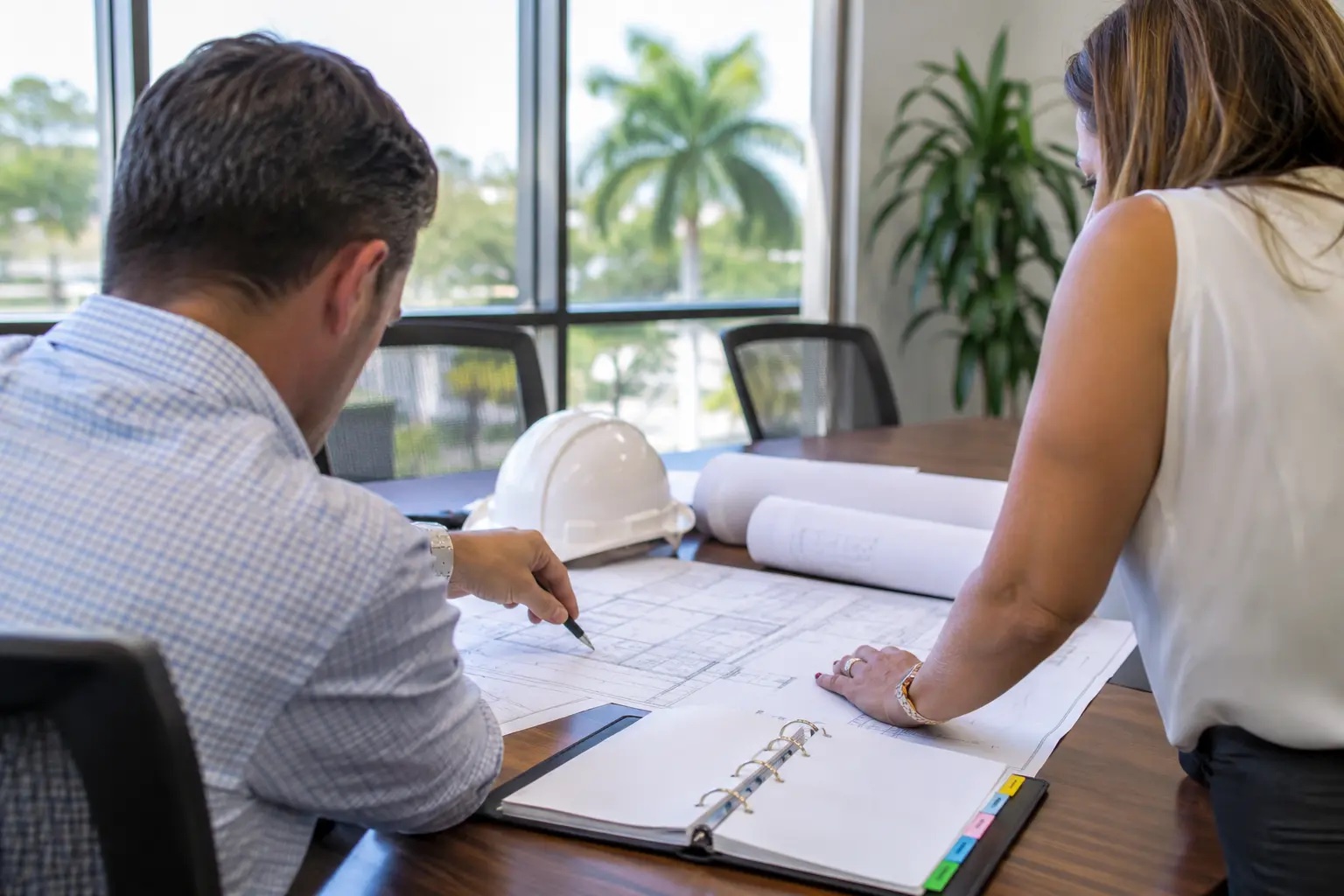
How to hire a construction expert witness: the process step by step
These are the steps people commonly follow. They are not legal strategy. Your attorney decides how they apply to your matter.
| # | Step | What to confirm |
|---|---|---|
| 1 | Talk to your attorney | Who retains the expert, and when |
| 2 | Define the question | What the expert will be asked to address |
| 3 | Match the discipline and verify the license | License type, number, and status |
| 4 | Review background and testimony history | CV, past testimony |
| 5 | Check conflicts and availability | Parties, firms, insurers, and the calendar |
| 6 | Get fees and scope in writing | Rates, retainer, and an engagement letter |
1. Talk to your attorney first
If you own the property and have not yet hired a lawyer, start there. How and when an expert is retained can affect how the expert’s communications and drafts are treated, and that is a legal question for your attorney.
2. Define the question the expert will address
Before you contact anyone, write down what needs an answer. It might concern the scope of work, the schedule, cost, a contract term, or compliance with a code or a set of plans. A clear question lets you tell whether a candidate’s experience fits, and it keeps the first conversation short.
3. Match the discipline and verify the license
Contractors, engineers, architects, and building inspectors each work under different licenses and answer different kinds of questions. Ask your attorney which discipline fits your question, then ask each candidate which questions they would and would not take on.
Ask for license numbers in writing and look them up yourself. Florida’s Department of Business and Professional Regulation (DBPR) runs a license search for contractors, engineers, and architects, where you can check status and any discipline history. As an example, James holds Florida certified general contractor license CGC1520746. Look it up rather than taking our word for it.
4. Review background and testimony history
Ask for a current CV, a list of cases in recent years where the expert testified or was deposed, and any publications. Ask whether a court has ever limited or excluded an opinion, and verify degrees and licenses independently. Search public court records and online sources, as you would for any witness.
Ask whether the expert has worked for plaintiffs, defendants, or both.
5. Check conflicts and availability
Give the candidate the names of the parties, the law firms, any insurers, and the project, and ask for a conflict check before you share anything else. Then confirm the calendar. Site visits, depositions, and hearing or trial dates can arrive on short notice, and an expert who cannot attend is of little use.
6. Get fees and scope in writing
Ask for a fee schedule that covers document review, site visits, report preparation, deposition time, and trial time, plus any retainer, minimum, travel charge, and cancellation terms. Ask how the fee is structured.
Then put the arrangement in an engagement letter. At a minimum it should say who the client is, what the expert is being asked to do, what documents the expert will receive, how billing works, and how either side can end the engagement. Ask your attorney whether to add terms on drafts, communications, and confidentiality.
When to bring an expert in
Timing depends on the matter, and your attorney is the person to ask. Some matters have deadlines or required steps, so ask your attorney what applies to yours.
Whatever the timing, it helps to gather your documents before the first call:
- The contract, any change orders, and the plans and specifications
- Permits, inspection records, and certificates
- Emails, letters, and notices sent or received
- Dated photos and video
- Invoices, payment records, and insurance policies
Do not alter or discard anything, and do not send privileged material until an engagement and conflict check are in place.
What no expert can promise
A reputable expert will not promise an outcome. An expert gives an opinion based on the facts and data provided, and judges, juries, and arbitrators decide cases. Be cautious about anyone who guarantees a result.
If you are considering Cloud Design Build
Cloud Design Build provides construction expert services in Florida. If you would like to talk, call or email before sending any documents. A first conversation does not create an engagement, and we ask that you not send privileged or confidential case materials until an engagement and a conflict check are in place.
Talk to James · Call 305-537-6105 · info@clouddesignbuild.com
Questions people ask us
How much does a construction expert witness cost?
Fees vary with the expert’s discipline and experience and with the work involved, so we do not publish a single figure. Ask for a written fee schedule that covers review, site visits, report, deposition and trial time, any retainer, and cancellation terms.
Can a property owner hire a construction expert directly?
A property owner can contact an expert to ask about services. Whether to retain one for a dispute, and how to set up the engagement, is worth raising with your attorney first, since the structure can matter in litigation.
Should I hire a contractor, an engineer, or an architect?
It depends on the question. Different licenses cover different work. Ask your attorney which discipline fits, and ask each candidate which questions they would and would not take on.
Related reading
- When Do You Need a Construction Expert Witness or General Contractor Expert in Florida?
- How Construction Experts Help Attorneys Settle Insurance Claims
- Property Damage After a Hurricane: Why Construction Expert Witnesses Matter in Florida
- Construction expert services
This article is general information, not legal advice, and it does not create an attorney-client or expert-client relationship. Laws and rules change, so confirm current requirements with your attorney.